Simple Fixes for Your Chewed Fence After the Dog’s Day Out
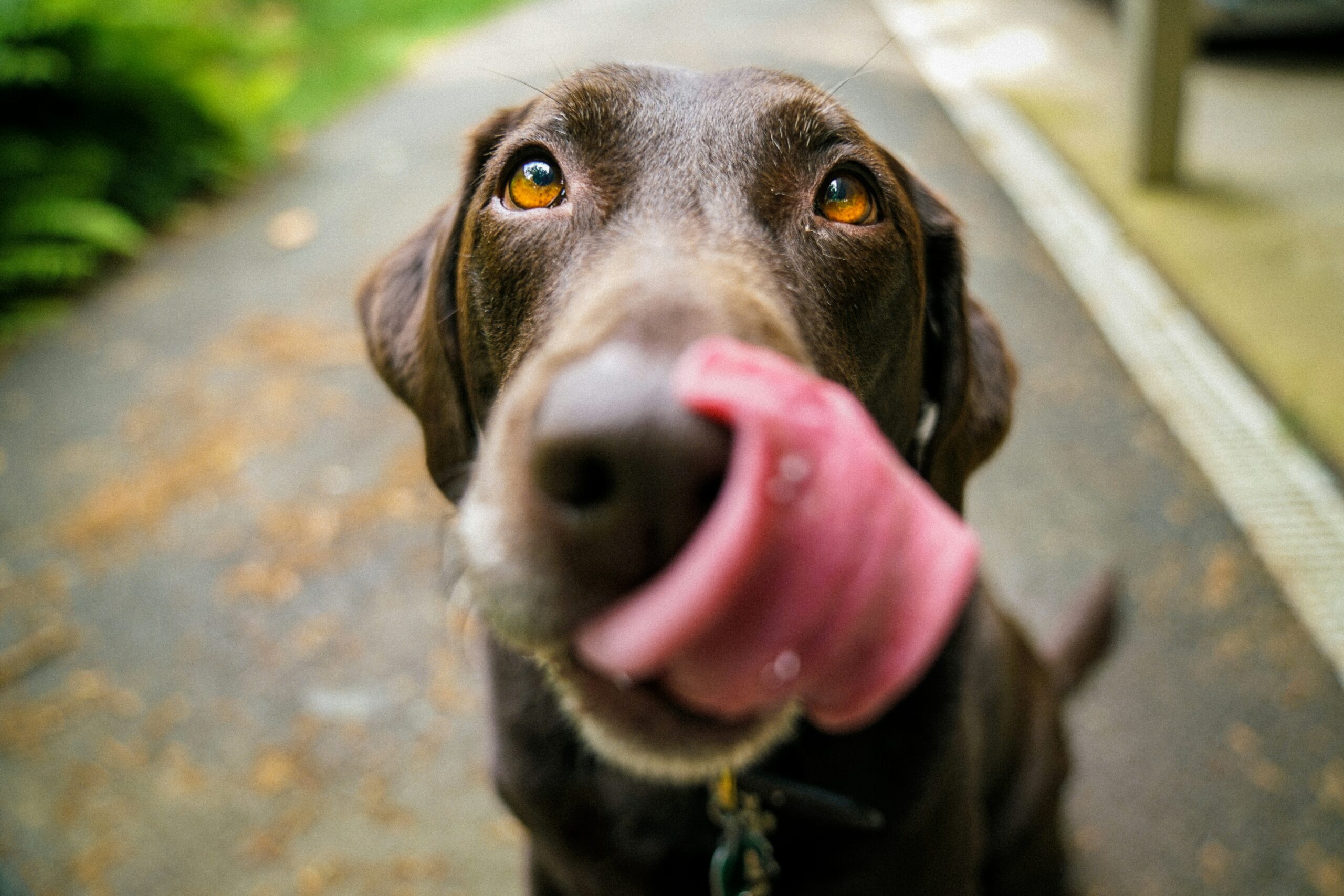
Photo by James Barker on Unsplash. Download
Photo by James Barker
on Unsplash.
Download
Coming home to find that your furry friend has used your fence for a chew toy can be frustrating. However, mending a chewed-up fence doesn’t have to be a daunting task. In this article, we’ll walk you through simple steps to repair the damage, keeping your garden secure and looking neat.
With just a few tools and materials, you can restore your fence to its former glory and prevent future incidents. Let’s explore how you can tackle this DIY project efficiently, saving you the expense of hiring a professional.
What You’ll Need
- Hammer *
- Saw *
- Measuring tape *
* Links marked with an asterisk are affiliate links to Amazon. We may earn a small commission if you buy through them at no extra cost to you.
Step-by-Step Guide
Step 1: Assess the Damage
Start by examining the damaged section of your fence to determine the extent of the chewing. Check for any loose panels or posts and see if anything needs to be replaced entirely or if it can simply be repaired.
Step 2: Remove the Damaged Panels
Use a hammer to carefully remove any nails or screws holding the damaged panels in place. If the panels are significantly chewed, it might be best to replace them. Make sure to measure the size of the panels needed for replacement.
Step 3: Cut and Fit Replacement Panels
Using a saw, cut your new panels to size. Ensure the measurements are correct in comparison to the ones you removed. Place the new panel into the gap and secure it tightly using screws or nails, ensuring that it’s stable and aligned with the rest of the fence.
Step 4: Secure Loose Components
If any other parts of the fence have become loose due to your dog’s activity, now is the time to secure them. Tighten any screws or replace them if they’re rusted out to ensure the entire structure is sound.
Step 5: Apply Wood Sealant
Once you’ve installed your new panels, apply a wood sealant to add a protective layer. This not only guards against future chewing but also protects against weather damage, prolonging the lifespan of your fence.
- Consider using a deterrent spray on your fence to discourage future chewing.
- Ensure your dog has plenty of chew toys to distract them from the fence.
- Regularly inspect your fence for early signs of wear or damage.
Always wear safety gloves and goggles when handling tools and wood to protect against splinters and dust. Be cautious when using a saw to avoid injury, and ensure the work area is clear of any obstacles or distractions.
Final Thoughts
By following these steps, you should be able to repair your chewed fence with ease. Not only will this DIY project save you money, but it will also give you the satisfaction of restoring your garden’s security. Keep up with routine maintenance, and you’ll enjoy a sturdy fence for years to come.