
How to Troubleshoot a Boiler Not Heating Water
A boiler that fails to heat water can disrupt your daily routine, making it essential to address the issue promptly. While some problems may require professional expertise, there are several troubleshooting steps you can take yourself.
This guide will help you identify common boiler issues and provide practical solutions to get your hot water system up and running again.
Tools Required
- Screwdriver
- Multimeter
- Thermostat manual
- Adjustable spanner
Safety Warnings
- Always turn off the power supply to the boiler before performing any troubleshooting.
- Handle electrical connections with care to avoid the risk of electric shock.
- Ensure gas boilers are checked by a Gas Safe registered engineer if you suspect a gas issue.
Why This Problem Happens
There are several reasons a boiler might stop heating water. Common causes include a malfunctioning thermostat, issues with the boiler’s pressure, or a problem with the pilot light.
Boilers also rely on various components such as the heat exchanger and circulating pump, which can wear out over time or become blocked, leading to heating issues.
Step-by-Step Instructions
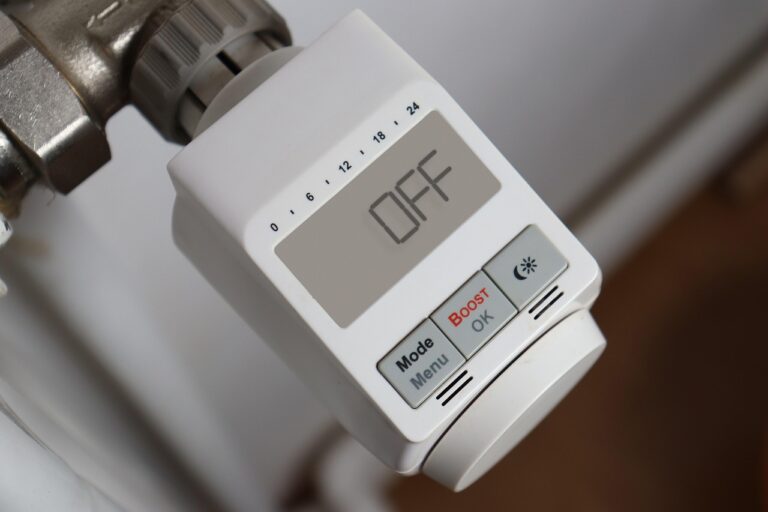
Step 1: Check the Thermostat Settings
Ensure the thermostat is set to the correct temperature and mode. Refer to your thermostat manual for guidance on settings.
Step 2: Inspect the Pressure Gauge
Check the boiler’s pressure gauge. The pressure should typically be between 1 and 2 bar. If it’s too low, you may need to repressurise the system.
Step 3: Examine the Pilot Light
For boilers with a pilot light, ensure it is lit. If it has gone out, follow the manufacturer’s instructions to relight it safely.
Step 4: Check for Error Codes
Modern boilers often display error codes. Refer to the user manual to interpret these codes and identify the issue.
Step 5: Inspect Components
Visually inspect the boiler components, including the heat exchanger and pump, for any obvious signs of damage or blockage.
Common Mistakes to Avoid
- Ignoring error codes displayed by the boiler.
- Attempting to fix gas-related issues without proper qualifications.
- Repressurising the boiler without checking for leaks first.
Troubleshooting Tips
Boiler pressure is consistently low.
Check for leaks in the system and ensure the filling loop is closed properly after repressurising.
The pilot light won’t stay lit.
This could indicate a faulty thermocouple. Consider replacing it or consulting a professional.
Frequently Asked Questions
What pressure should my boiler be at?
Most boilers operate best at a pressure of 1 to 2 bar. Check your boiler manual for specific recommendations.
Why does my boiler keep losing pressure?
This could be due to a leak in the system or a faulty pressure relief valve. Regular checks can help identify the issue.
Can I fix boiler pressure issues myself?
Yes, you can often repressurise the system yourself, but ensure you understand the process and check for any leaks first.
When should I check my boiler’s pressure?
It’s a good idea to check your boiler’s pressure regularly, especially before the winter months when you rely on heating more.
Is it safe to relight my boiler’s pilot light?
Yes, but always follow the manufacturer’s instructions carefully, and if you’re unsure, contact a professional.
When to Call a Professional
- If you’ve tried troubleshooting and the boiler still doesn’t work, it’s time to call a professional.
- Complex issues like a faulty heat exchanger or persistent low pressure should be handled by a certified engineer.
Final Thoughts
Troubleshooting a boiler that isn’t heating water can often be done with a few simple steps. However, knowing when to call in a professional can save you time and prevent further damage.
Regular maintenance and prompt attention to issues will ensure your boiler operates efficiently, keeping your home warm and comfortable.
This section may contain affiliate links. We may earn a commission at no extra cost to you.
Tools & Materials
These basic items help with safe, simple boiler checks before you decide whether to call an engineer.
- Insulated screwdriver set – useful for removing access panels or covers after isolating the power.
- Digital multimeter – handy for checking basic electrical supply or thermostat faults if you know how to use it safely.
- Adjustable spanner – helpful for working with accessible fittings and some filling loop connections when repressurising.
- LED inspection torch – makes it easier to read the pressure gauge, spot error codes and look for visible leaks.
- Microfibre cloths – useful for wiping around joints and valves to check for fresh drips or damp patches.
🔗 More Information