Choosing the Right Hammer for Your Home Repair Needs
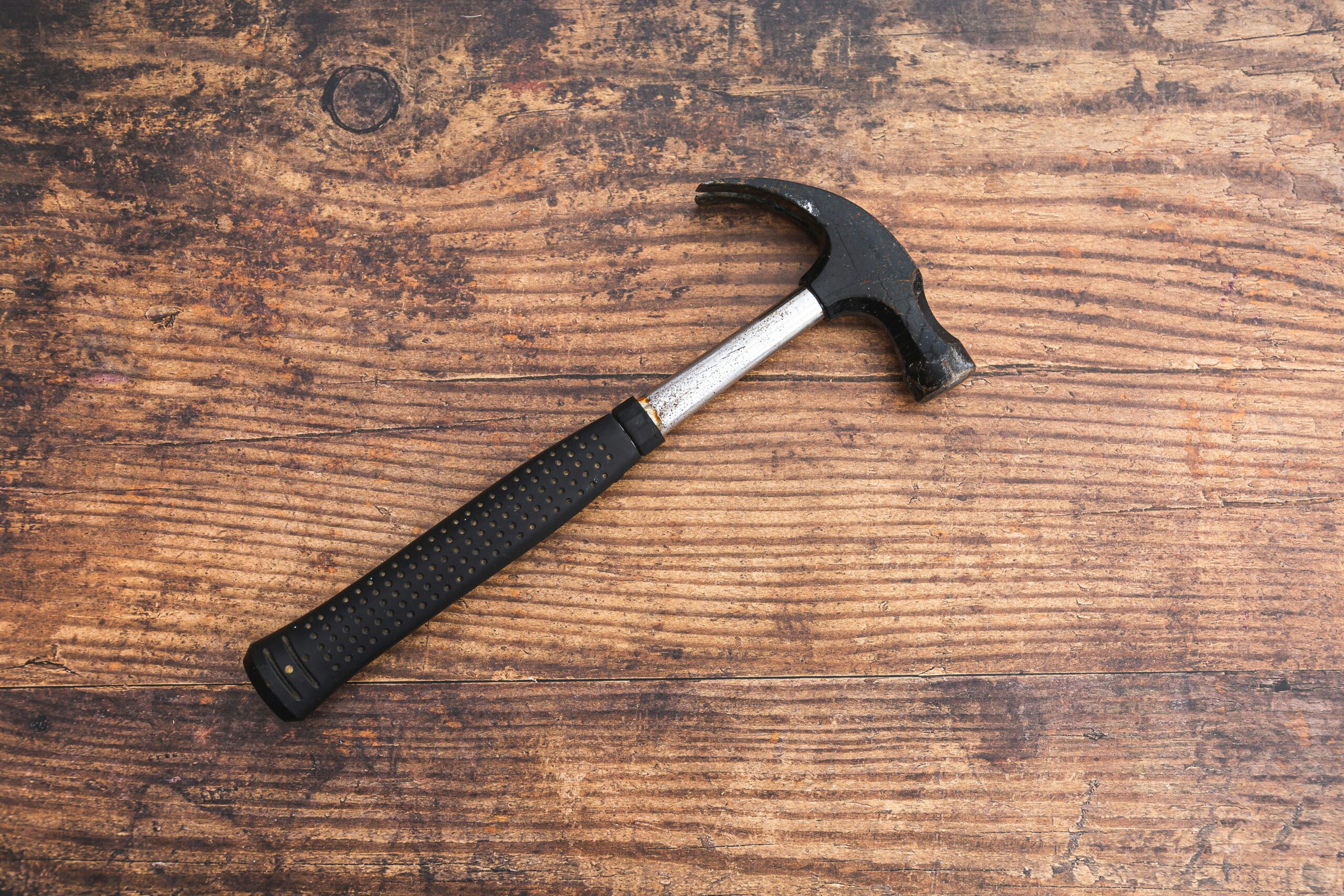
Photo by iMattSmart on Unsplash
A hammer is one of the most essential tools in any toolkit, but with so many types available, choosing the right one for your home repair needs can be daunting. Whether you’re driving nails, pulling them out, or doing precision work, the right hammer can make all the difference.
This guide will help you understand the different types of hammers available and how to select the best one for your specific tasks, ensuring you have the right tool for every job.
Tools Required
- Claw hammer
- Ball-peen hammer
- Sledgehammer
- Rubber mallet
- Tack hammer
Safety Warnings
- Always wear safety goggles to protect your eyes from flying debris.
- Ensure you have a firm grip on the hammer to avoid slipping.
- Use the correct hammer for the job to prevent damage to the workpiece or injury.
Why This Problem Happens
Using the wrong type of hammer for a task can lead to inefficient work and potential damage. For example, using a claw hammer for metalworking tasks can damage both the hammer and the workpiece, while a sledgehammer is overkill for driving small nails.
Understanding the specific functions and strengths of different hammers can help you choose the right tool, making your work more efficient and safer.
Step-by-Step Instructions
Step 1: Identify the Task
Consider what type of work you’ll be doing. For general carpentry, a claw hammer is versatile enough for most tasks. For metalwork, consider a ball-peen hammer.
Step 2: Choose the Right Hammer Type
Select a hammer based on your identified task: a claw hammer for general use, a ball-peen hammer for metalwork, a sledgehammer for demolition, a rubber mallet for delicate surfaces, and a tack hammer for upholstery.
Step 3: Consider the Weight
Heavier hammers provide more driving force, but can be tiring to use. Lighter hammers offer better precision and control for delicate tasks.
Step 4: Check the Handle Material
Choose a handle material that suits your preference and the job’s requirements. Wood handles offer comfort, while fiberglass handles provide shock absorption and durability.
Step 5: Test the Grip
Ensure the hammer feels comfortable in your hand. A good grip will prevent slipping and increase control, making the tool safer to use.
Common Mistakes to Avoid
- Using a hammer that is too heavy for the task, leading to fatigue and potential injury.
- Selecting a hammer with a slippery handle, which can compromise safety.
- Ignoring the specific needs of the task, such as using a claw hammer for metalwork instead of a ball-peen hammer.
Troubleshooting Tips
Hammer slips during use.
Ensure the handle is dry and consider using a hammer with a textured grip for better control.
Hammer head becomes loose.
Regularly check and tighten the head. Consider replacing the hammer if the issue persists.
Frequently Asked Questions
What is the best hammer for woodworking?
A claw hammer is ideal for woodworking tasks, as it is versatile and can be used for driving and removing nails.
Can I use a rubber mallet for metalwork?
A rubber mallet is best for tasks that require a gentle touch, like fitting pieces together without damaging surfaces. For metalwork, a ball-peen hammer is more suitable.
How do I maintain my hammer?
Regularly inspect your hammer for signs of wear and tear. Tighten any loose parts and keep the handle clean and dry.
What is a sledgehammer used for?
A sledgehammer is used for heavy demolition tasks, such as breaking concrete or driving stakes into the ground.
Is a heavier hammer always better?
Not necessarily. While heavier hammers can drive nails more forcefully, they can also lead to fatigue. Choose a weight that you can comfortably handle.
When to Call a Professional
- If you are unsure about the best hammer for a particular task, especially if it involves complex or delicate work, consulting a professional can provide guidance.
- For extensive demolition or construction projects, professional expertise can ensure safety and efficiency.
Final Thoughts
Choosing the right hammer can make all the difference in your home repair projects. By understanding the various types and their purposes, you can select the right tool for the job and work more effectively.
Remember, safety is paramount. Always use the right hammer for the task and maintain it properly to ensure it remains a reliable part of your toolkit.
This section may contain affiliate links. We may earn a commission at no extra cost to you.
Tools & Materials
If you’re comparing hammer types for DIY jobs, these are the most useful options to look at first.
- 16oz claw hammer with fibreglass handle – a solid all-round choice for general home repairs, especially driving and pulling nails.
- 16oz ball pein hammer – better suited to light metalwork and striking punches than a standard claw hammer.
- White non-marking rubber mallet – useful when you need to tap materials into place without damaging the surface.
- 4lb sledge hammer with fibreglass handle – handy for heavier breaking or demolition tasks where a normal hammer is too light.
- Magnetic upholstery tack hammer – gives better control for small tacks and other precise, delicate jobs.
- Clear safety goggles – worth having for any hammer work to protect your eyes from flying debris.
More information
If you want to go a bit further, these guides should help:
- essential tools every homeowner needs – Essential Tool Kit for Home Repairs: What You Need
- top pliers for DIY beginners in the UK – Best Pliers for DIY Beginners in 2026 – UK Buyer’s Guide
- reliable tape measures for precise DIY – Best Tape Measures for DIY Projects — Tried & Tested
- choosing the right chisels for woodworking – Best Chisels for Intricate DIY Projects in 2026 — UK Buyer’s Guide
- guide to handsaws for DIY beginners – Best Handsaws for DIY Beginners — 2026 Edition