Essential Tool Kit for Home Repairs: What You Need
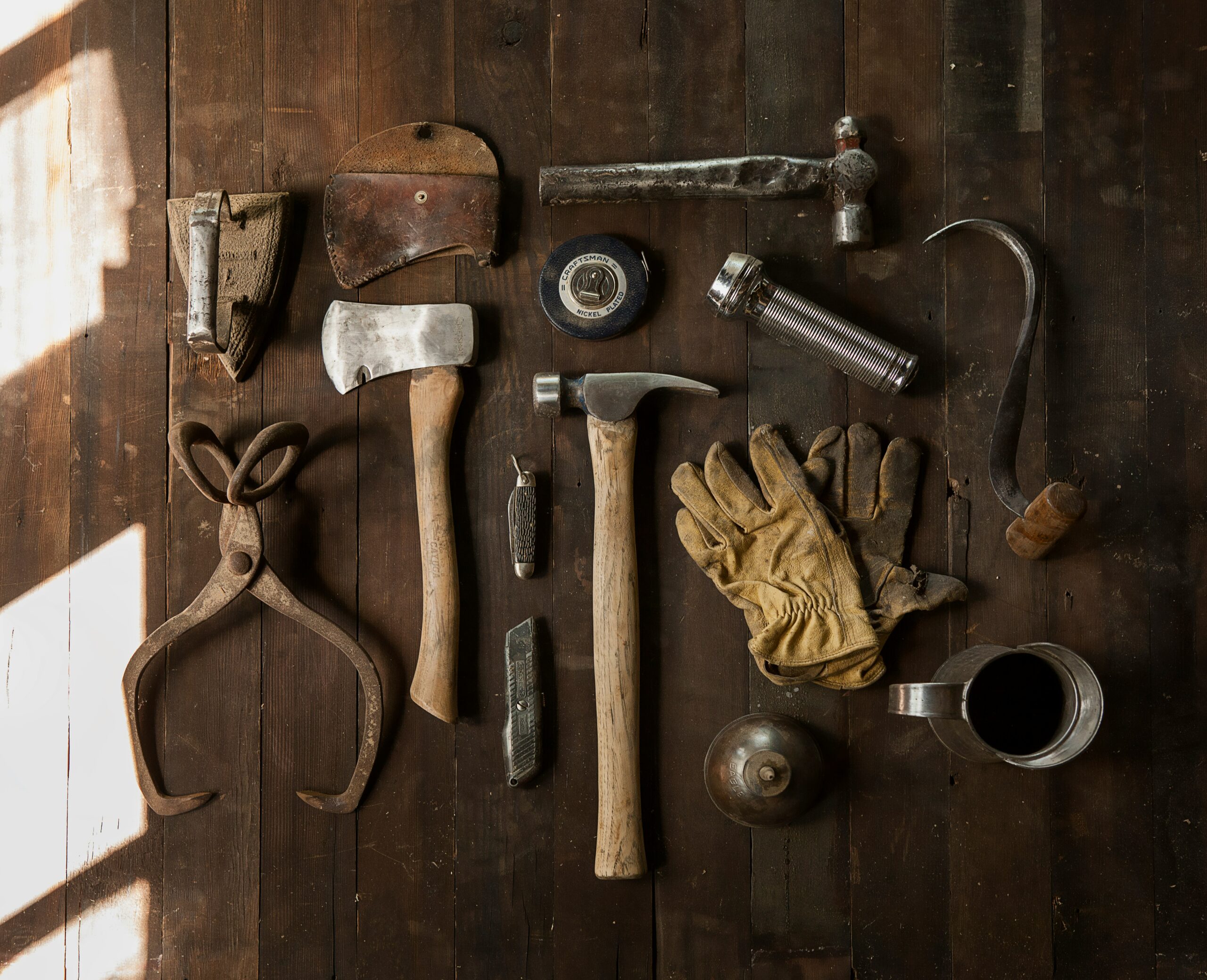
Photo by Todd Quackenbush on Unsplash
Having a well-equipped tool kit is crucial for handling everyday home repairs and DIY projects. Whether you’re fixing a leaky tap or assembling furniture, the right tools can make any task easier and more efficient.
This article will guide you through the essential tools every homeowner should have, ensuring you’re prepared for any repair or improvement job that comes your way.
Tools Required
- Hammer
- Screwdriver set
- Adjustable wrench
- Pliers
- Tape measure
- Utility knife
- Spirit level
- Cordless drill
Safety Warnings
- Always use tools according to their intended purpose to avoid injury.
- Wear protective gear, such as gloves and safety glasses, when necessary.
Why This Problem Happens
Many homeowners find themselves unprepared for repairs because they lack a basic set of tools. This can lead to incomplete or poorly executed repairs.
Having the right tools on hand not only makes repairs easier but can also prevent the escalation of minor issues into major problems.
Step-by-Step Instructions
Step 1: Assemble a Basic Tool Kit
Start with the essentials: a hammer for nails, a set of screwdrivers for various screws, and an adjustable wrench for nuts and bolts. These are the foundation of any tool kit.
Step 2: Include Pliers and a Tape Measure
Pliers are versatile for gripping and bending, while a tape measure is necessary for accurate measurements in any project.
Step 3: Add a Utility Knife and Spirit Level
A sharp utility knife is useful for cutting materials, and a spirit level ensures your installations are perfectly horizontal or vertical.
Step 4: Invest in a Cordless Drill
A cordless drill is invaluable for drilling holes and driving screws quickly and efficiently. Choose one with a variety of drill bits and attachments.
Step 5: Organise Your Tools
Keep your tools in a sturdy toolbox or organiser to maintain order and ensure you can easily find what you need when a repair arises.
Common Mistakes to Avoid
- Buying cheap tools that may break easily or not perform well.
- Neglecting to maintain and clean tools regularly, which can lead to rust and deterioration.
Troubleshooting Tips
Tools feel uncomfortable or awkward to use.
Consider ergonomic tools with cushioned grips to enhance comfort during use.
Toolbox is disorganised, making it hard to find tools.
Regularly organise and label your tools to keep your toolbox neat and accessible.
Frequently Asked Questions
Do I need to buy all the tools at once?
No, you can start with the basics and gradually add more tools as needed for specific projects.
How should I store my tools to prevent rust?
Store tools in a dry place and consider using silica gel packs to absorb moisture.
What’s the difference between a Phillips and a flathead screwdriver?
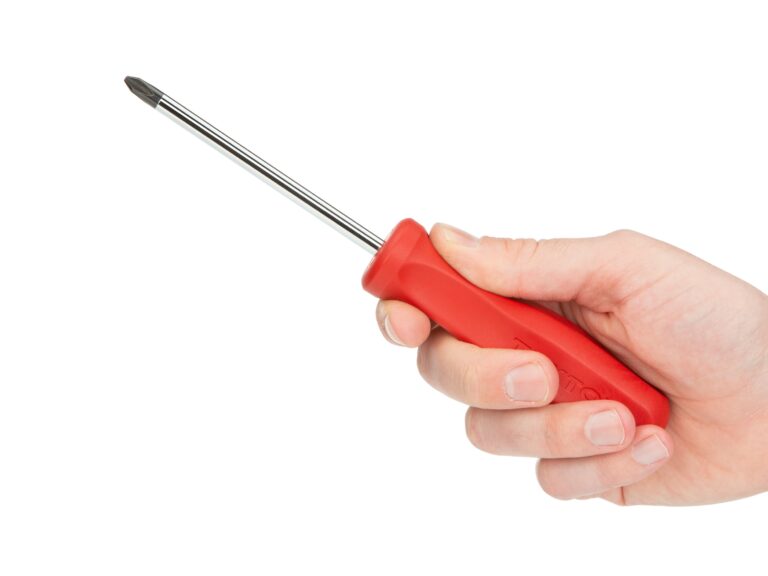
A Phillips screwdriver has a cross shape, while a flathead has a straight edge. Both are used for different types of screws.
How often should I replace my tools?
Replace tools when they show signs of wear or damage that could affect their performance or safety.
Are power tools necessary for home repairs?
While not essential for all tasks, power tools like a cordless drill can significantly speed up and simplify many repair jobs.
When to Call a Professional
- For complex repairs that require specialised tools or expertise, it’s wise to consult a professional to ensure the job is done safely and correctly.
Final Thoughts
Building a comprehensive tool kit is a valuable investment for any homeowner. It equips you to tackle a wide range of repairs and projects with confidence.
Remember to choose quality tools and maintain them properly to ensure they serve you well for years to come. With the right tools, you’ll be ready to handle any home repair challenge.
This section may contain affiliate links. We may earn a commission at no extra cost to you.
Tools & Materials
A few dependable basics will cover most small repairs and DIY jobs around the house.
- Stanley 16oz fibreglass claw hammer – useful for driving nails, removing fixings and general repair work.
- Draper Phillips and slotted screwdriver set – covers the common screw types found on fittings, furniture and appliances.
- Bahco 8 inch adjustable spanner – handy for loosening and tightening nuts, bolts and many plumbing connections.
- Irwin combination pliers – gives you a firm grip for twisting, bending and holding awkward parts.
- Stanley FatMax 5m tape measure – helps you measure accurately before drilling, cutting or buying materials.
- Stabila 600mm spirit level – keeps shelves, frames and fittings straight when installing them.
- Bosch 18V cordless drill driver kit – speeds up drilling and screwdriving for regular home maintenance jobs.
More information
If you want to go a bit further, these guides should help:
- guide to choosing the right hammer for repairs – Choosing the Right Hammer for Your Home Repair Needs
- best pliers for UK DIY beginners – Best Pliers for DIY Beginners in 2026 – UK Buyer’s Guide
- top tape measures for accurate DIY work – Best Tape Measures for DIY Projects — Tried & Tested
- best spirit levels for precise measuring – Top 5 Spirit Levels for Accurate Measurements — 2026 Edition
- efficient tool storage ideas for small spaces – Best Tool Storage Solutions for Small Spaces — Tried & Tested