Knipex 97 52 36 vs IWISS SN-01B Crimping Pliers
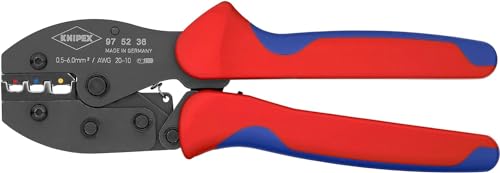
- Best overall: KNIPEX Preciforce Crimping Pliers 220 mm, 97 52 36 — The 220 mm length gives it more leverage than the 200 mm KNIPEX model, while still keeping
- Runner-up: KNIPEX Crimp System Pliers 200 mm — At 200 mm, it is still a proper full-size hand tool, but it is slightly shorter than the 2
- Third choice: iCrimp SN-48B Pin Crimping Tool — This is the only clearly budget-friendly pin crimping option in the group, and its pin-spe
Getting a reliable crimp is about more than squeezing hard: the tool needs the right jaw shape, enough leverage and a size that suits the terminals you actually use. If you pick the wrong pliers, you end up with loose connections, crushed sleeves or too much hand strain for repetitive work.
This guide compares four real crimp tools for UK buyers, with the strongest options ranked first and the weaker fits explained plainly. It is aimed at anyone wiring plugs, terminals or pin crimps who wants a clear shortlist rather than vague marketing talk.
Our Top Picks
KNIPEX Preciforce Crimping Pliers 220 mm, 97 52 36
“The 220 mm length gives it more leverage than the 200 mm KNIPEX model, while still keeping it compact enough for controlled work.”
This is the best all-round pick here because it combines a sensible 220 mm body with the sort of precision KNIPEX is known for. That extra length over the 200 mm KNIPEX Crimp System Pliers should make repeated crimps easier on the hand, especially if you are doing a batch of terminals rather than one-off jobs.
The main drawback is that the listing data is thin, so you do not get a published capacity, jaw profile or terminal range to compare against. That makes it harder to judge exactly what it is optimised for, and it is also pricier than the more basic options in this list, so you are paying for the brand and the build rather than a long feature sheet.
- 220 mm size should give better leverage than shorter pliers
- Good choice for repeat crimping where hand fatigue matters
- KNIPEX build quality is the main reason to buy it
- No published terminal capacity or jaw specification in the data
- More expensive than the simpler crimp tools here
Best for: Buyers who want a premium general-purpose crimping tool and value leverage from a 220 mm frame.
💬 Verdict: Choose this if you want the strongest balance of leverage, control and brand confidence.
KNIPEX Crimp System Pliers 200 mm

“At 200 mm, it is still a proper full-size hand tool, but it is slightly shorter than the 220 mm Preciforce.”
This is the safer fallback if you want a KNIPEX tool but do not need the extra reach of the 220 mm model. The 200 mm length keeps it compact enough for tighter working positions, and it still sits firmly in the full-size hand-tool category rather than feeling like a miniature hobby tool.
The weakness is obvious from the data: there are no listed features or specs to help you judge what it crimps best. That makes it hard to recommend over the 97 52 36 unless you find a better deal or prefer the exact 200 mm format, because the 220 mm Preciforce has the clearer advantage on leverage.
- 200 mm format is still substantial for hand leverage
- Good option if you prefer a slightly shorter tool
- KNIPEX name will appeal to users who want a premium tool
- No features or specs are listed
- Hard to justify over the 220 mm KNIPEX model unless size is the deciding factor
Best for: People who specifically want a 200 mm KNIPEX crimping plier and do not mind the lack of published detail.
💬 Verdict: A sensible premium backup, but it is harder to choose than the 220 mm model.
iCrimp SN-48B Pin Crimping Tool

“This is the only clearly budget-friendly pin crimping option in the group, and its pin-specific design makes it easy to identify its purpose.”
The iCrimp SN-48B is the budget pick if your work is centred on pin crimps rather than general terminal work. It is clearly positioned as a dedicated pin crimping tool, which is useful when you want a simple, low-cost way into this sort of job without paying for a premium hand tool.
Its weakness is just as clear: the listing gives no dimensions, jaw details or capacity figures, so you are buying on category and price band rather than hard performance data. That makes it best for occasional use or simple jobs, not for anyone who wants a more fully specified, heavy-duty crimper for regular work.
- Dedicated pin crimping design
- Lowest-cost route into this category
- Simple, easy-to-understand purpose
- No measurable specs listed
- Less reassuring for frequent or demanding use than the KNIPEX options
Best for: DIYers who mainly need a pin crimp tool for occasional jobs and want to keep spending down.
💬 Verdict: A decent budget choice if pin crimps are all you need.
MoSundi 0.03-0.52mm2 Crimping Tool for for IWISS IWS-3220M

“Its stated 0.03-0.52mm2 range is the most concrete working specification in the whole lineup.”
This tool stands out because it actually gives you a usable size range: 0.03-0.52mm2. That is the sort of figure a buyer can work with straight away, and it suggests a focus on smaller conductors and fine crimping work rather than general-purpose heavy-duty use.
The downside is that the data is still sparse apart from that range, so you do not get dimensions, jaw type or other detail that would help confirm how well it is made. It also looks more like a specialised alternative than a broad all-rounder, so it is not the one to buy if you want a single crimp tool for mixed household wiring jobs.
- Clear 0.03-0.52mm2 working range
- Useful for finer crimping tasks
- Best-specified option in the budget end of the list
- Only one meaningful spec is provided
- Likely too specialised if you want one tool for varied jobs
Best for: Users doing fine crimping work who want an explicit conductor range rather than guesswork.
💬 Verdict: Pick this if the 0.03-0.52mm2 range matches the terminals you actually use.
What to Look For — Buyer’s Guide
What to Look For
For crimping pliers, the first thing to check is whether the tool gives you a usable size or capacity figure, such as the 0.03-0.52mm2 range on the MoSundi. That tells you more than vague marketing language. Next, look at overall length: 220 mm usually gives more leverage than 200 mm, which matters if you are doing repeated crimps and want less hand strain. Finally, think about the type of crimp you actually do. Pin crimps, fine conductor crimps and general terminal work all benefit from different jaw designs, so a dedicated tool is only worthwhile if it matches your job.
How Much Should You Spend?
In this category, the most expensive tool is not automatically the best fit, but the better-built options usually sit above the basic budget tools because you are paying for smoother action and better leverage. If you only need an occasional pin crimp tool, the lower end of the market makes sense. If you are doing regular work, a 220 mm premium plier is easier to live with than a short, lightly specified tool. What matters most is buying the right type of crimper for the terminals you use, rather than just chasing a brand name or the cheapest listing.
Our Verdict
The top pick is the KNIPEX Preciforce Crimping Pliers 220 mm, 97 52 36 for buyers who want the best blend of leverage and premium build in a compact 220 mm tool. The runner-up is the KNIPEX Crimp System Pliers 200 mm, which suits anyone who wants a slightly shorter KNIPEX plier and does not mind the lack of published specs.
If you only need budget pin work, the iCrimp SN-48B is the simpler choice, while the MoSundi 0.03-0.52mm2 Crimping Tool for for IWISS IWS-3220M is the most clearly specified option for fine conductor sizes.
Frequently Asked Questions
What size crimping pliers do I need for general electrical work?
A 200 mm to 220 mm hand tool is usually the safer starting point, because that size gives enough leverage for repeated work without being unwieldy.
Are pin crimping tools different from normal crimpers?
Yes. Pin crimpers are aimed at small pin-style terminals, so they are not the same as general-purpose tools for broader terminal work.
Why does conductor range matter on a crimp tool?
Because it tells you what wire sizes the tool is meant to handle. For example, 0.03-0.52mm2 is a specific working range, not a vague claim.
Is a longer crimping plier always better?
Not always, but a 220 mm tool normally gives more leverage than a 200 mm one, which can make repetitive crimps less tiring.
What is the main mistake people make when buying crimpers?
They buy for the brand or the look of the tool instead of checking whether the jaw type and size match the terminals they actually use.