Essential Tools for DIY Home Repairs
Photo by iMattSmart on Unsplash
Embarking on DIY home repairs can be both rewarding and cost-effective, but having the right tools is crucial to ensuring successful outcomes. With the right set of tools, you can tackle a wide range of home repair tasks from plumbing fixes to simple carpentry jobs.
This guide will introduce you to essential tools that every DIY enthusiast should have in their toolkit. Whether you’re a beginner or a seasoned DIYer, these tools will help you handle most home repair situations with confidence.
Tools Required
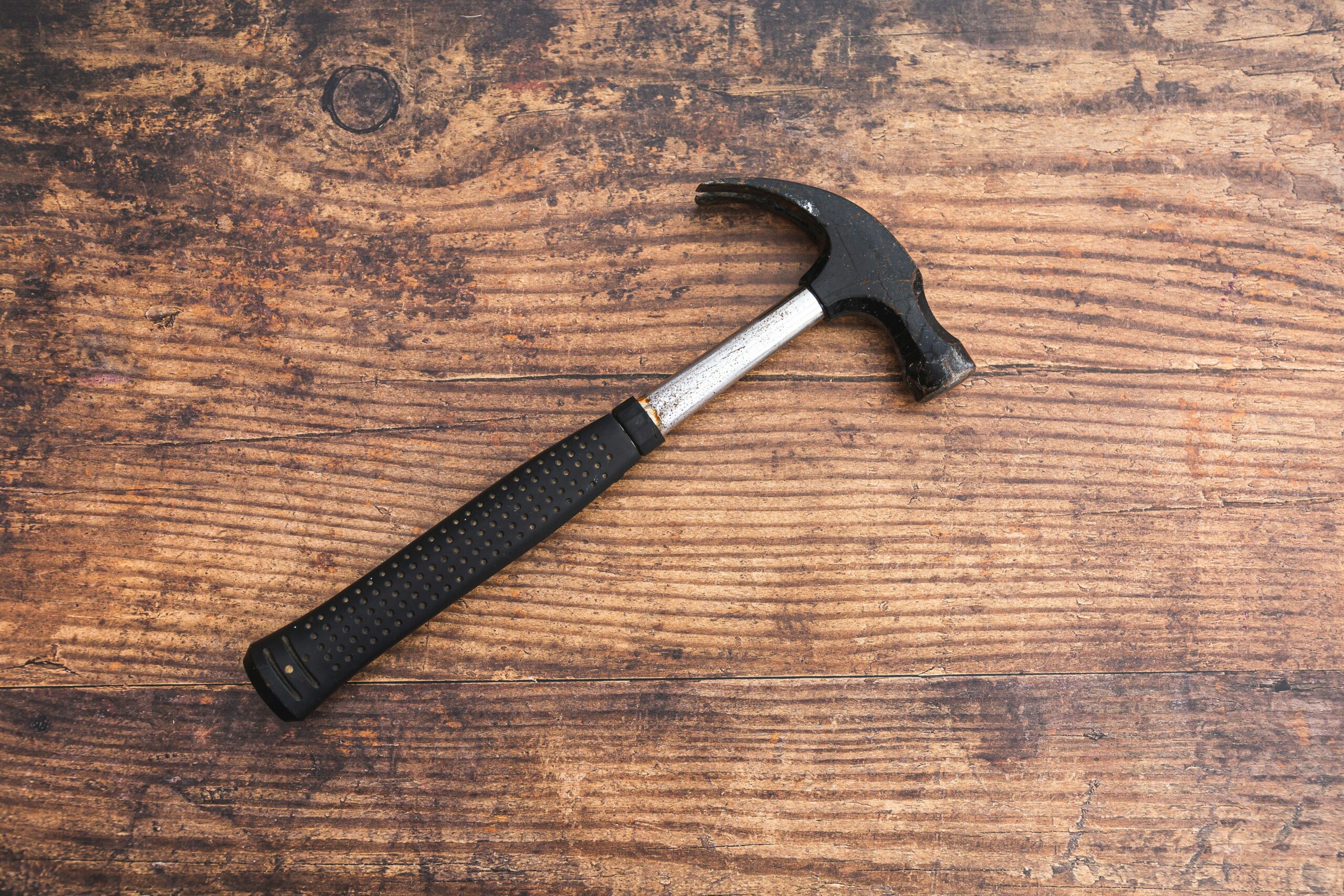
- Hammer
- Screwdriver set
- Adjustable wrench
- Tape measure
- Spirit level
- Utility knife
- Cordless drill
- Pliers set
- Handsaw
- Safety goggles
Safety Warnings
- Always wear safety goggles when using power tools to protect your eyes from debris.
- Ensure power tools are turned off and unplugged when changing accessories or making adjustments.
- Keep your work area clean and free from potential tripping hazards to ensure safety.
Why This Problem Happens
DIY home repairs become difficult when you don’t have the right tools for the job. Inadequate or unsuitable tools can lead to frustration, poor quality work, and even injury.
Investing in essential tools not only makes tasks easier but also ensures that the repairs are done correctly and safely. This initial investment can save you time and money in the long run.
Step-by-Step Instructions
Step 1: Assess Your Needs
Consider the types of repairs and projects you are likely to undertake. This will help you prioritise which tools to purchase first.
Step 2: Start with Basics
Begin your toolkit with basic tools such as a hammer, screwdrivers, and a tape measure. These are staples for almost any repair job.
Step 3: Expand with Power Tools
As you become more confident, add power tools like a cordless drill to your collection. These tools can make tasks quicker and more efficient.
Step 4: Invest in Quality
Quality tools may be more expensive upfront but tend to last longer and perform better. Look for trusted brands known for their durability.
Step 5: Organise Your Tools
Keep your tools organised and easily accessible. Use a toolbox or pegboard to store smaller tools and ensure that everything has a designated place.
Common Mistakes to Avoid
- Buying cheap tools that are prone to breaking can lead to frustration and potential injury.
- Neglecting to maintain your tools can shorten their lifespan and affect performance.
- Overlooking safety equipment like goggles and gloves can result in preventable injuries.
Troubleshooting Tips
Power tools not working efficiently.
Check the power source and ensure the tool is charged or plugged in correctly. Regular maintenance and cleaning can also improve performance.
Hand tools becoming loose or rusty.
Regularly clean and oil your tools to prevent rust and keep them in good working condition.
Frequently Asked Questions
What are the most important tools for a beginner?
A hammer, screwdriver set, and tape measure are fundamental tools for any beginner tackling home repairs.
How do I maintain my tools?
Regular cleaning, lubricating moving parts, and storing them in a dry environment will help maintain your tools’ condition.
How can I organise my tools effectively?
Using a toolbox or a wall-mounted pegboard can help keep your tools organised and easy to locate.
Are expensive tools worth the investment?
Yes, investing in high-quality tools generally provides better performance and longevity, making them cost-effective over time.
What safety equipment should I have?
Essential safety equipment includes safety goggles, gloves, and ear protection for use with power tools.
When to Call a Professional
- For complex repairs beyond your skill level, such as major electrical or plumbing work, it’s best to call a professional.
- If a job requires specialised tools that you don’t have, consider hiring a professional to ensure it’s done correctly.
Final Thoughts
Having the right tools is crucial for any DIY enthusiast. By investing in a good set of tools and maintaining them properly, you can take on a variety of home repairs with confidence.
Remember, safety should always be your priority. Equip yourself with the necessary protective gear and know when to seek professional help for more complex tasks.
This section may contain affiliate links. We may earn a commission at no extra cost to you.
Tools & Materials
These are the key items worth having for most everyday DIY home repairs.
- 16 oz claw hammer – useful for driving in nails, pulling them back out and handling simple carpentry jobs.
- Pozidriv, Phillips and slotted screwdriver set – covers the screw types most often found on hinges, fittings, sockets and furniture.
- 250mm adjustable spanner – handy for tightening or loosening nuts and bolts on plumbing fittings, radiators and appliances.
- 5m tape measure – helps you measure accurately before cutting, drilling or buying replacement parts.
- 600mm spirit level – makes it easier to fit shelves, pictures and brackets neatly and squarely.
- 18V cordless combi drill – speeds up drilling and screwdriving for a wide range of home repair tasks.
- Clear safety goggles – essential for protecting your eyes when drilling, sawing or dealing with dust and debris.