Essential Tools for DIY Home Repairs
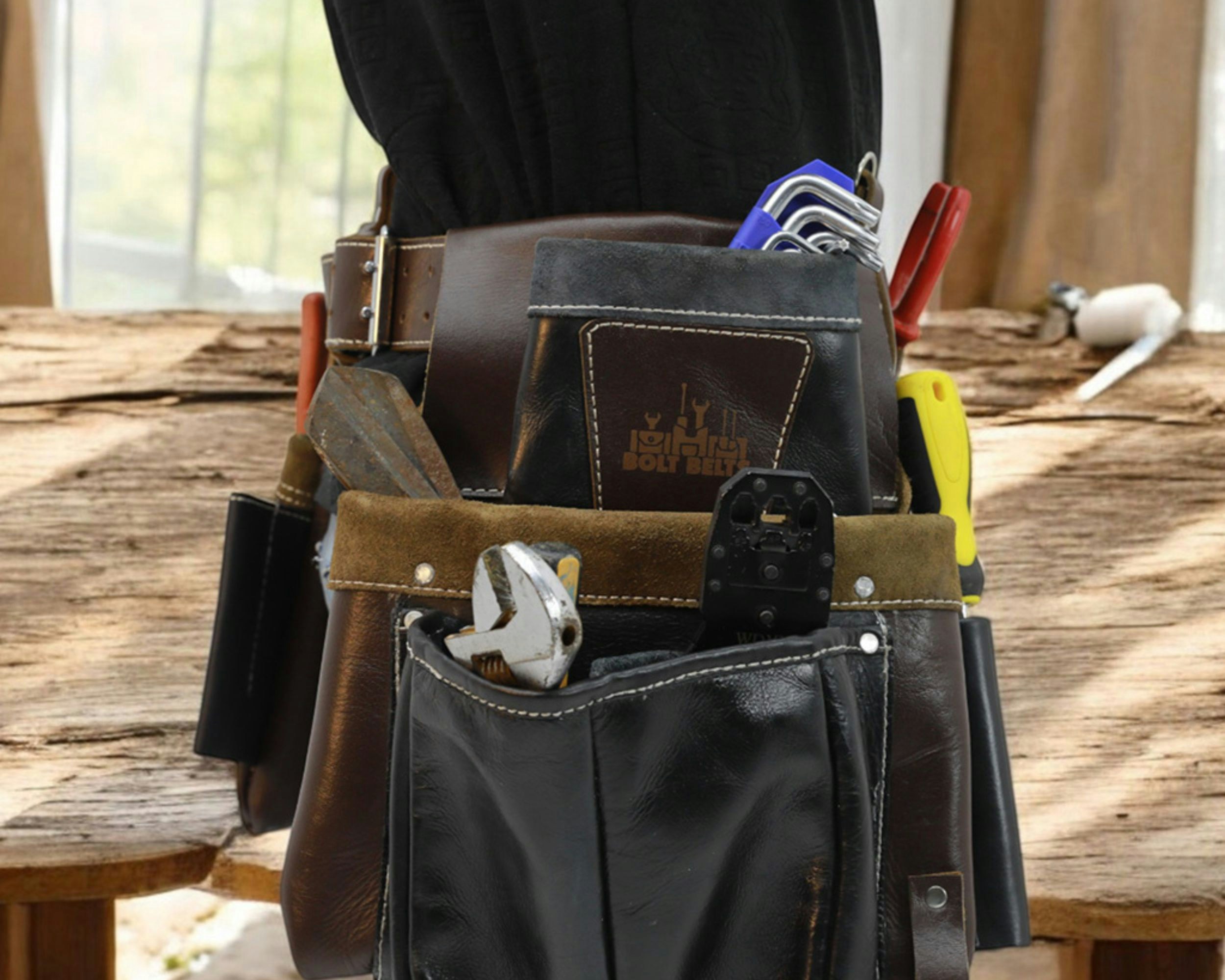
Photo by Bolt Belts on Unsplash
Embarking on home repair projects requires the right tools to get the job done efficiently and safely. Whether you’re a seasoned DIY enthusiast or new to home repairs, having a well-stocked toolkit is essential.
This guide will outline the essential tools you need for common DIY home repairs, helping you tackle projects with confidence and ease.
Tools Required
- Hammer
- Screwdriver set
- Adjustable spanner
- Tape measure
- Spirit level
- Utility knife
- Cordless drill
- Pliers set
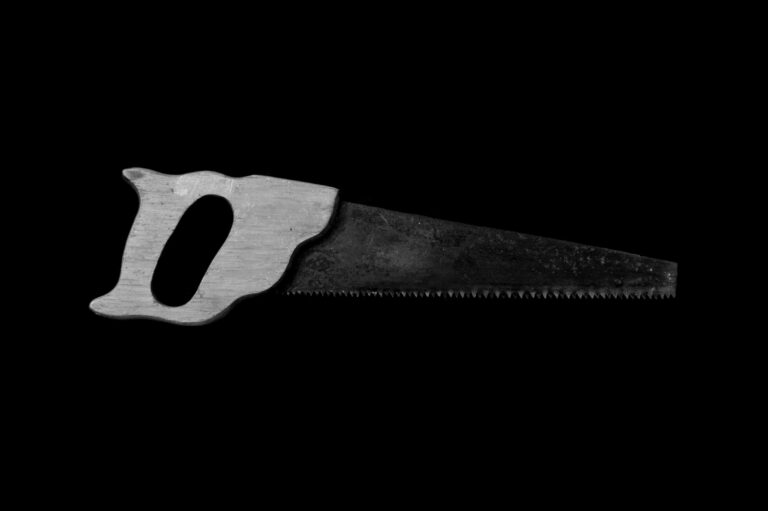
- Handsaw
- Safety goggles
Safety Warnings
- Always wear safety goggles when using power tools to protect your eyes.
- Ensure tools are in good condition and properly maintained to prevent accidents.
- Use the right tool for the job to avoid injury and damage.
Why This Problem Happens
Many home repair issues arise from not having the right tools readily available. This can lead to makeshift solutions that may cause further damage.
Investing in quality tools not only ensures you can fix problems correctly but also saves time and effort in the long run.
Step-by-Step Instructions
Step 1: Start with Basic Hand Tools
Begin by acquiring essential hand tools such as a hammer, screwdrivers, and pliers. These are the foundation of any toolkit and will be used in various repairs.
Step 2: Invest in a Quality Cordless Drill
A cordless drill is versatile for many tasks, from assembling furniture to drilling holes. Choose a model with variable speed settings and a good battery life.
Step 3: Include Measuring and Levelling Tools
Accurate measurements are crucial. A tape measure and spirit level will ensure your installations and repairs are precise and aligned.
Step 4: Add Cutting Tools
A utility knife and handsaw are essential for cutting various materials. Ensure blades are sharp and replaced regularly for clean cuts.
Step 5: Prioritise Safety Equipment
Safety goggles and gloves should always be part of your toolkit to protect yourself during repairs. Safety should never be compromised.
Common Mistakes to Avoid
- Using tools for purposes they are not designed for, which can lead to damage or injury.
- Neglecting tool maintenance, reducing their effectiveness and lifespan.
- Overlooking the importance of safety gear.
Troubleshooting Tips
Tools not performing as expected.
Regularly clean and oil your tools to keep them in top condition. Replace any worn or damaged parts immediately.
Difficulty in completing a task.
Ensure you have the correct tool for the job. Sometimes upgrading to a more specialised tool can make a task easier.
Frequently Asked Questions
What basic tools should every homeowner have?
At a minimum, a hammer, screwdrivers, pliers, tape measure, and a cordless drill are essential.
How should I maintain my tools?
Regularly clean tools after use, oil moving parts, and store them in a dry place to prevent rust.
Is it worth investing in expensive tools?
Quality tools tend to last longer and perform better, making them a worthwhile investment for frequent DIY tasks.
Can I use a cordless drill for all drilling tasks?
While versatile, some tasks may require specialised drills, such as masonry drills for concrete. Choose the right drill bit for the material.
What’s the best way to organise my tools?
Use a toolbox or pegboard to keep tools organised and easily accessible. Group similar tools together for efficiency.
When to Call a Professional
- If a repair task requires specialised tools that you don’t have, it might be more economical to hire a professional.
- Complex projects that involve electrical or plumbing systems should be handled by qualified professionals to ensure safety and compliance with regulations.
Final Thoughts
Having a well-equipped toolkit empowers you to handle a wide range of home repairs, saving time and money in the process. Investing in quality tools and maintaining them well will pay off in the long run.
While DIY can be rewarding, knowing your limits and when to call a professional is equally important to ensure safety and the best results for your projects.
This section may contain affiliate links. We may earn a commission at no extra cost to you.
Tools & Materials
These core tools will cover most everyday DIY home repairs around the house.
- 16oz claw hammer – handy for driving in nails, pulling them out and tackling general repair jobs.
- Magnetic Pozidriv, Phillips and slotted screwdriver set – covers the screw types most commonly found in UK fittings, hinges and flat-pack furniture.
- 18V cordless drill driver kit – useful for drilling holes and driving screws far faster than using hand tools alone.
- 5m tape measure – helps you measure accurately before cutting, fixing or mounting anything.
- 600mm spirit level – keeps shelves, frames and brackets straight so finished repairs look neat.
- Clear safety goggles – important eye protection when drilling, sawing or working with dust and debris.