How to Troubleshoot a Washing Machine Not Draining
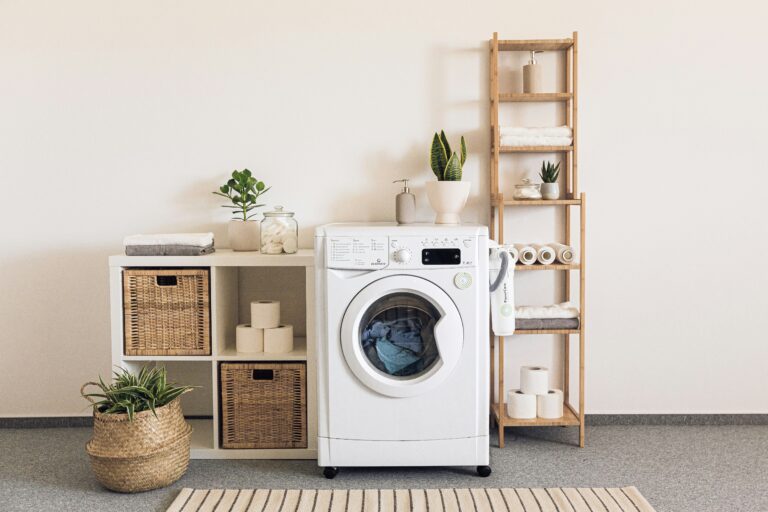
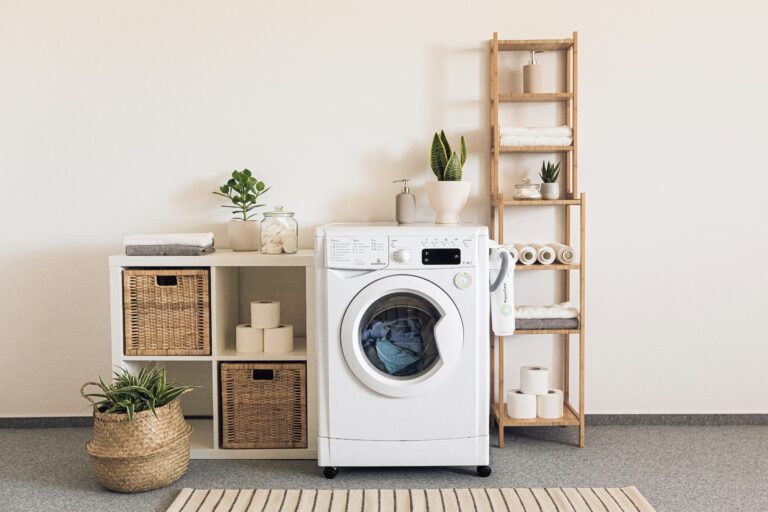
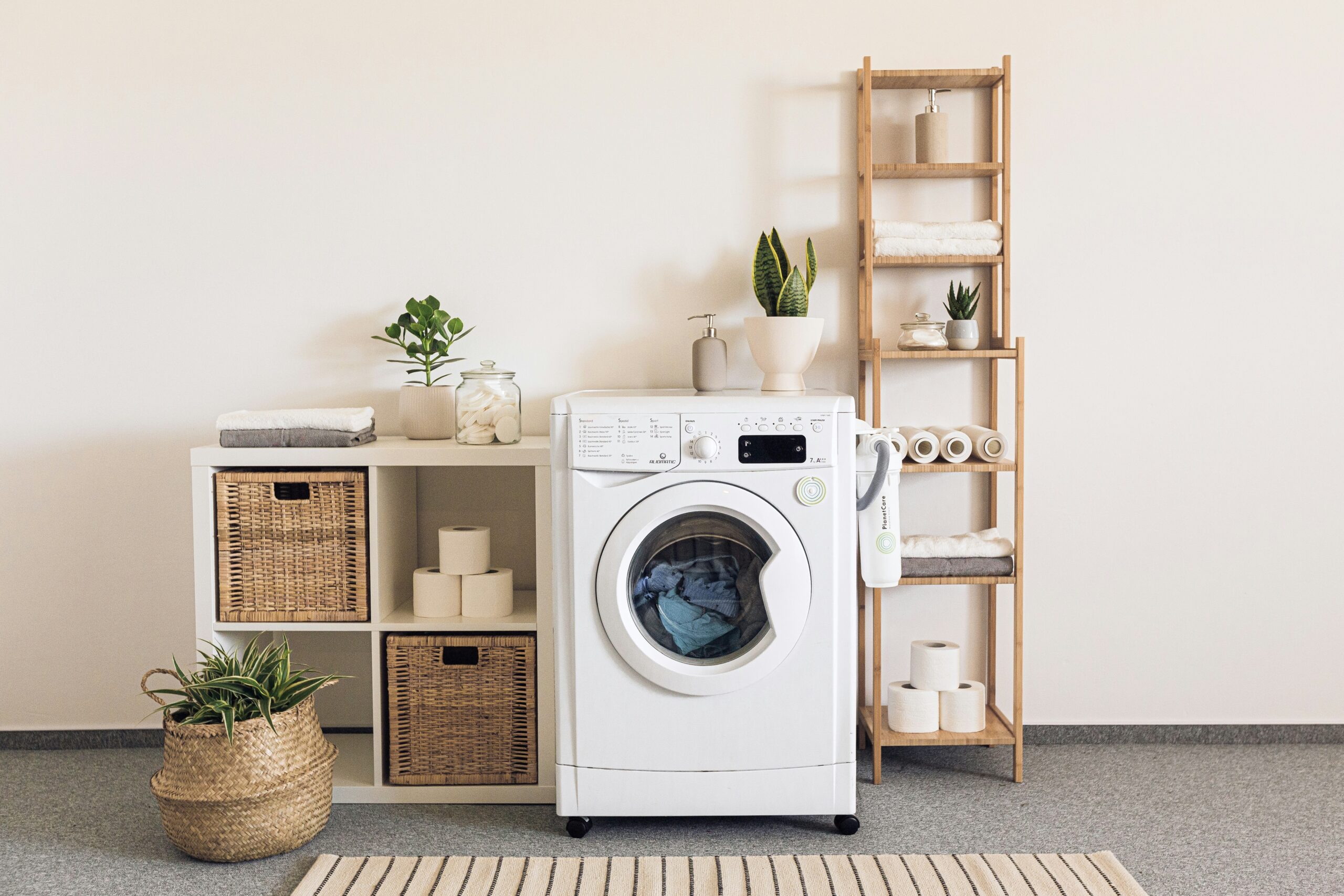
Photo by PlanetCare on Unsplash
A washing machine that won’t drain properly can be a frustrating issue, leaving you with soggy clothes and a machine full of water. This common problem can be caused by several factors, from blockages to mechanical failures.
In this article, we’ll explore the potential causes of a washing machine not draining and guide you through troubleshooting steps to resolve the issue. With a bit of patience and the right approach, you can restore your washing machine to full functionality.
Tools Required
- Bucket
- Towels
- Screwdriver
- Pliers
- Drain snake
Safety Warnings
- Unplug the washing machine before performing any maintenance to prevent electric shock.
- Be cautious when moving the machine to avoid injury or damaging flooring.
- Ensure the machine is completely drained of water before attempting repairs.
Why This Problem Happens
A common reason for a washing machine not draining is a blockage in the drain hose or pump. This can be caused by lint, small clothing items, or other debris accumulating over time.
Another potential cause is a malfunctioning pump or motor, which can prevent the machine from effectively expelling water. Electrical issues or worn-out components can also be factors.
Step-by-Step Instructions
Step 1: Check the Drain Hose
Inspect the drain hose for kinks or blockages. Remove any obstructions and ensure the hose is properly connected to the drain.
Step 2: Clean the Pump Filter
Locate the pump filter, usually at the bottom front of the machine. Unscrew the cover and remove any debris or lint collected in the filter.
Step 3: Inspect the Drain Pump
If the machine still won’t drain, check the drain pump for obstructions. Use a screwdriver to remove the pump and clear any blockages.
Step 4: Run a Test Cycle
After clearing any blockages, plug the machine back in and run an empty cycle to test if the issue has been resolved.
Step 5: Check Electrical Components
If the problem persists, inspect the pump motor and other electrical components for signs of wear or damage. Replacement may be necessary.
Common Mistakes to Avoid
- Forgetting to unplug the machine can result in electric shock.
- Neglecting to fully drain the machine before repairs can lead to water damage.
- Improperly reassembling components can cause further issues.
Troubleshooting Tips
Machine drains slowly or incompletely.
Ensure the drain hose is at the correct height to maintain proper flow.
Water leaks during draining.
Check hose connections and seals for leaks and tighten or replace as necessary.
Frequently Asked Questions
How often should I clean the pump filter?
It’s recommended to clean the pump filter every three months to prevent blockages.
Can I use chemical drain cleaners in my washing machine?
No, chemical drain cleaners can damage your machine’s components. Manual cleaning is best.
What if my machine still doesn’t drain after these steps?
Persistent issues may require a professional technician to inspect and repair the machine.
Is it normal for a washing machine to make noise when draining?
Some noise is typical, but loud or unusual sounds could indicate a blockage or mechanical issue.
Why is my washing machine drum not spinning?
A clogged drain pump or faulty motor can prevent the drum from spinning properly.
When to Call a Professional
- If you’ve attempted all troubleshooting steps and the machine still won’t drain, it’s time to call a professional.
- Electrical issues or motor failures should be assessed by a qualified technician to avoid further damage.
Final Thoughts
A washing machine not draining can disrupt your laundry routine, but with careful inspection and troubleshooting, many issues can be resolved at home.
Regular maintenance and prompt attention to minor problems can keep your machine running smoothly and extend its lifespan.
This section may contain affiliate links. We may earn a commission at no extra cost to you.
Tools & Materials
These basics will help you drain the machine safely, clear blockages and inspect the likely fault points.
- 10 litre bucket – catches the trapped water when you open the pump filter or disconnect the drain hose.
- Microfibre cleaning cloths – useful for mopping up spills and protecting the floor while you work.
- Phillips and flathead screwdriver set – handy for removing access panels, hose clips and pump covers.
- Long nose pliers – helps pull out lint, coins and small items lodged in the filter or hose.
- Flexible drain snake – useful for clearing stubborn debris from the drain hose without forcing it deeper.
- Digital multimeter – helpful if you need to check whether the drain pump or wiring has an electrical fault.