Troubleshooting Common Radiator Problems
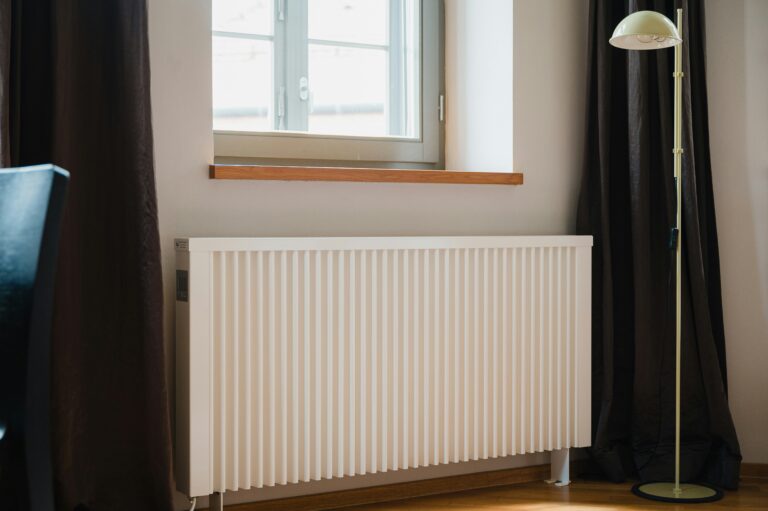
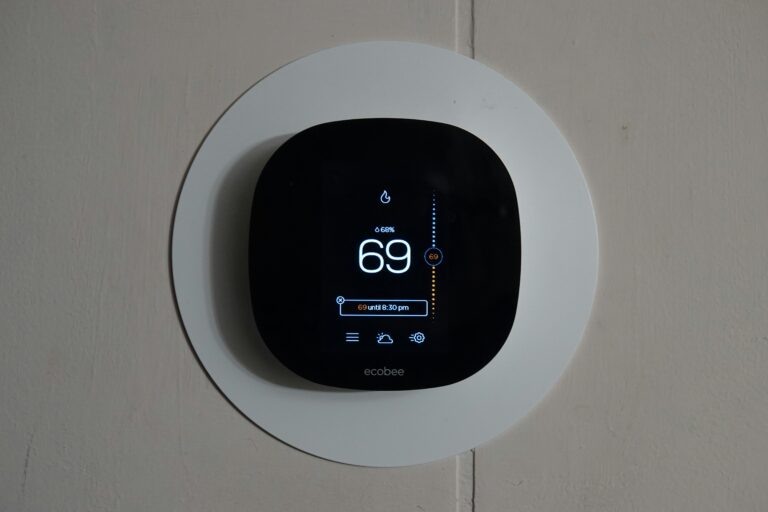
Photo by Shawn Rain on Unsplash
Radiators are a crucial part of your home heating system, providing warmth and comfort during the colder months. However, like any mechanical component, they can experience problems that affect their performance. Whether your radiator isn’t heating up or it’s making strange noises, identifying the issue is the first step in resolving it.
This article will guide you through some of the most common radiator problems and offer practical solutions to get your heating system back on track. By understanding these issues, you can ensure your home remains warm and energy-efficient.
Tools Required
- Radiator key
- Adjustable spanner
- Bucket
- Cloth
- Thermostatic radiator valve (TRV)
Safety Warnings
- Ensure the heating system is turned off and cooled down before performing any maintenance.
- Be cautious of hot water and surfaces when bleeding radiators.
- Dispose of any waste water properly to avoid staining carpets or floors.
Why This Problem Happens
One of the most common issues is trapped air within the radiator, which prevents it from heating evenly. This can occur when the heating system hasn’t been used for a while or after maintenance work.
Another frequent problem is a faulty thermostatic radiator valve (TRV), which can fail to regulate the temperature correctly, leading to uneven heating or a radiator that won’t heat at all.
Step-by-Step Instructions
Step 1: Bleed the Radiator
Use a radiator key to open the bleed valve slightly. Hold a cloth and bucket under the valve to catch any water. Release trapped air until water begins to flow steadily, then close the valve.
Step 2: Check the Thermostatic Radiator Valve (TRV)
Ensure the TRV is set to the desired temperature. If the radiator remains cold, the TRV may need replacing.
Step 3: Inspect for Blockages
Check for any visible blockages in the radiator or pipes. Use an adjustable spanner to gently loosen connections and clear any debris.
Step 4: Adjust the Radiator Balance
Use a spanner to turn the lockshield valve. This can help balance the flow of hot water through the radiator for more even heating.
Step 5: Test the System
Turn the heating back on and monitor the radiator’s performance. Ensure it heats up evenly and responds to temperature adjustments.
Common Mistakes to Avoid
- Bleeding the radiator without a cloth to catch water can result in spills.
- Ignoring the TRV setting can lead to unnecessary replacements.
- Over-tightening valves can cause damage and leaks.
Troubleshooting Tips
Radiator remains cold despite bleeding.
Check the boiler pressure and ensure it is set correctly.
Noise from the radiator when heating.
This may indicate trapped air or a blockage; re-bleed the radiator.
Frequently Asked Questions
How often should I bleed my radiators?
It’s recommended to bleed radiators at least once a year, preferably before the heating season begins.
What should I do if the valve is stuck?
Gently tap the valve with a rubber mallet to free it or consider replacing it if the issue persists.
Is it normal for radiators to make noise?
Some noise is normal as the system heats up, but persistent banging or gurgling can indicate a problem.
Can I bleed a radiator without a key?
A flathead screwdriver may work in some cases, but it’s best to use the proper radiator key.
What if both ends of the radiator are cold?
This could indicate an issue with the boiler or pump, and you may need to consult a professional.
When to Call a Professional
- If you’ve tried the above steps and your radiator still isn’t working, it might be time to call a heating engineer.
- Persistent issues with the boiler or central heating system that affect multiple radiators should be assessed by a professional.
Final Thoughts
Regular maintenance and understanding common radiator issues can enhance the efficiency of your heating system. By addressing problems early, you can ensure a warm and comfortable home throughout the winter months.
If in doubt or if problems persist, consulting a professional can save you time and prevent further complications.
This section may contain affiliate links. We may earn a commission at no extra cost to you.
Tools & Materials
These are the main items worth having to bleed, check and sort common radiator faults.
- Radiator bleed key – used to open the bleed valve and release trapped air from a cold or gurgling radiator.
- 200mm adjustable spanner – handy for adjusting lockshield valves and loosening fittings carefully during checks.
- Small bucket – catches the small amount of water that can escape when bleeding a radiator.
- Microfibre cloths – useful for protecting floors, wiping up drips and keeping valve areas clean.
- Rubber mallet – can help free a lightly stuck thermostatic valve pin without marking the metalwork.
- 15mm angled thermostatic radiator valve – a sensible replacement part if the existing TRV is faulty and the radiator still will not heat properly.