How to Unclog a Dishwasher Drain Quickly
Photo by Mohammad Esmaili on Unsplash
A clogged dishwasher drain can lead to standing water, unpleasant odours, and poor cleaning performance. Fortunately, most clogs can be cleared with a few simple steps, restoring your dishwasher’s efficiency.
This guide will help you identify the cause of the clog and provide you with practical steps to resolve the issue quickly, allowing you to get back to enjoying clean, sparkling dishes.
Tools Required
- Screwdriver
- Plunger
- Baking soda
- Vinegar
- Bucket
- Cloth
Safety Warnings
- Always disconnect the dishwasher from the power supply before attempting any repairs.
- Be cautious of sharp edges and hot water when working inside the dishwasher.
Why This Problem Happens
Dishwasher drains can become clogged due to food particles, grease, and soap residue accumulating over time. These materials can block the drain hose or filter, preventing proper drainage.
Improper loading of dishes or failing to rinse off large food particles before loading can exacerbate this problem. Regular maintenance and cleaning can help prevent clogs.
Step-by-Step Instructions
Step 1: Disconnect Power and Water
Unplug the dishwasher or switch off the circuit breaker. Turn off the water supply to prevent any accidents or leaks during the unclogging process.
Step 2: Remove and Clean the Filter
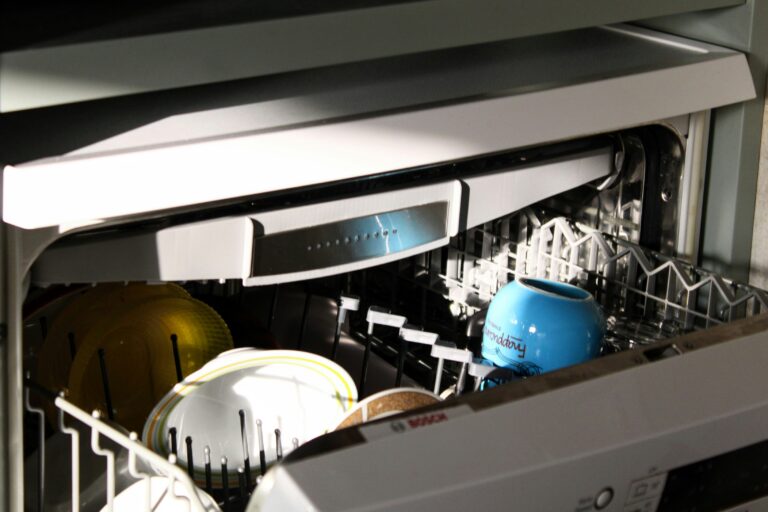
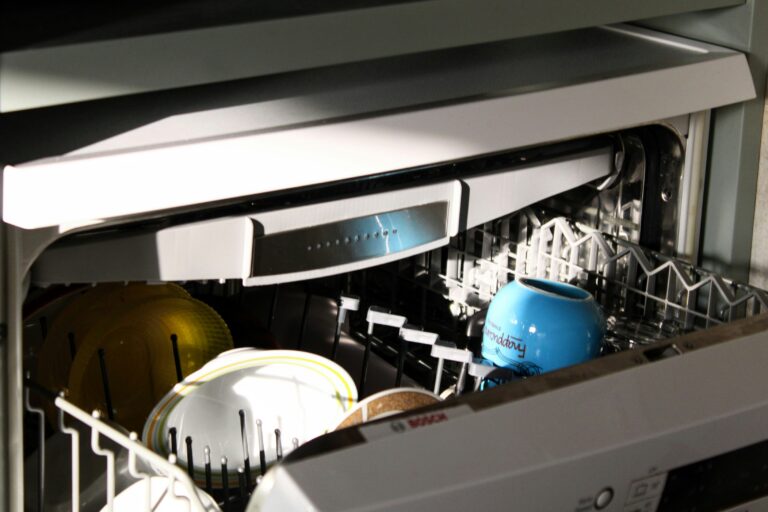
Locate the filter at the bottom of the dishwasher. Remove it carefully and rinse under warm water to eliminate food debris. Use a cloth to wipe the area clean.
Step 3: Inspect the Drain Hose
Check the drain hose for any visible blockages or kinks. If accessible, detach the hose and flush it with water to clear any obstructions.
Step 4: Use Baking Soda and Vinegar
Pour a mixture of baking soda and vinegar down the drain to break down any remaining residue. Allow it to sit for 15 minutes before flushing with hot water.
Step 5: Test the Dishwasher
Reconnect the power and water supply. Run a short cycle to ensure the drain is clear and the dishwasher functions correctly.
Common Mistakes to Avoid
- Neglecting to turn off power and water before starting the repair.
- Using harsh chemicals, which can damage the dishwasher components.
Troubleshooting Tips
Water still not draining after cleaning the filter.
Check if the drain pump is functioning and not obstructed by debris.
Persistent odour after unclogging.
Run an empty cycle with vinegar to remove lingering odours.
Frequently Asked Questions
How often should I clean my dishwasher filter?
Cleaning the filter every month can help prevent clogs and improve dishwasher performance.
Can I use a chemical drain cleaner in my dishwasher?
It’s not recommended as chemicals can damage the dishwasher’s internal parts. Use natural solutions like baking soda and vinegar instead.
Why does my dishwasher keep clogging?
Frequent clogs can be due to not pre-rinsing dishes, improper loading, or a faulty drain pump.
Is it normal for water to remain in the dishwasher after a cycle?
A small amount of water is normal, but standing water could indicate a clog or drainage issue.
Should I regularly check my dishwasher’s drain hose?
Yes, inspecting the drain hose every few months can help catch potential clogs early.
When to Call a Professional
- If the dishwasher continues to drain poorly after attempting to unclog it, there may be a more severe issue requiring professional repair.
Final Thoughts
Unclogging a dishwasher drain is a manageable task that can significantly enhance your appliance’s performance. Regular maintenance can prevent clogs and ensure your dishwasher operates smoothly.
If you’re unsure about any part of the process or if the problem persists, contacting a professional appliance repair service is advisable.
This section may contain affiliate links. We may earn a commission at no extra cost to you.
Tools & Materials
These basic items will help you clear the blockage, clean the filter and deal with any dirty water safely.
- Pozidriv screwdriver set – useful for removing access panels or loosening hose clips on many dishwashers.
- Plastic cleaning bucket – handy for catching standing water when you remove the filter or disconnect the drain hose.
- Microfibre cleaning cloths – ideal for wiping out food debris, grease and dirty water from the base of the machine.
- Bicarbonate of soda – helps loosen residue and freshen the drain without using harsh chemicals.
- Distilled white vinegar – useful alongside bicarbonate of soda for breaking down grime and odours.
- Flexible drain brush – helps clear stubborn gunk from the drain opening or an accessible section of hose.
More information
If you want to go a bit further, these guides should help:
- clean and maintain your dishwasher effectively – How to Clean and Maintain Your Dishwasher for Peak Performance
- fix common dishwasher leaks in your home – Common Causes and Fixes for a Leaking Dishwasher
- budget sink unblockers for UK homeowners – 5 Best Sink Unblockers for Budget Buyers in 2026
- fix a leaking kitchen tap yourself – How to Fix a Leaking Tap in Your Kitchen
- simple solutions for a sticking door – Simple Fixes for a Sticking Door