Understanding and Troubleshooting Boiler Pressure Problems
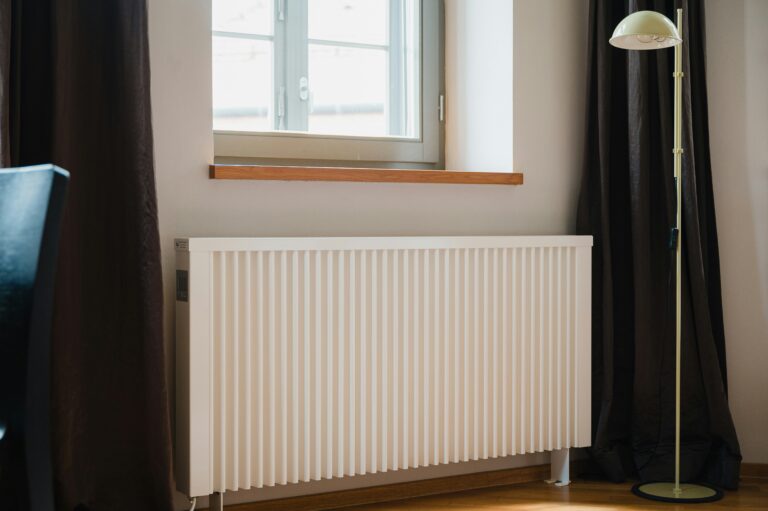
Photo by Hans Westbeek on Unsplash
Boiler pressure is a critical component of your heating system’s efficiency and safety. However, pressure issues can lead to heating problems or even damage to the system.
In this guide, we’ll help you understand the causes of boiler pressure problems and provide a step-by-step approach to troubleshoot and resolve these issues, ensuring your heating system runs smoothly.
Tools Required
- Pressure gauge
- Radiator key
- Adjustable wrench
- Bucket
- Cloth
Safety Warnings
- Always turn off your boiler and let it cool down before attempting any maintenance.
- Be cautious when releasing pressure from the system to prevent scalding.
Why This Problem Happens
Boiler pressure problems often arise due to leaks in the system or air trapped within the radiators, which can reduce efficiency and lead to pressure drops.
Conversely, an overfilled system or faulty pressure relief valve can cause pressure to rise, risking damage to the boiler and associated components.
Step-by-Step Instructions
Step 1: Check the Pressure Gauge
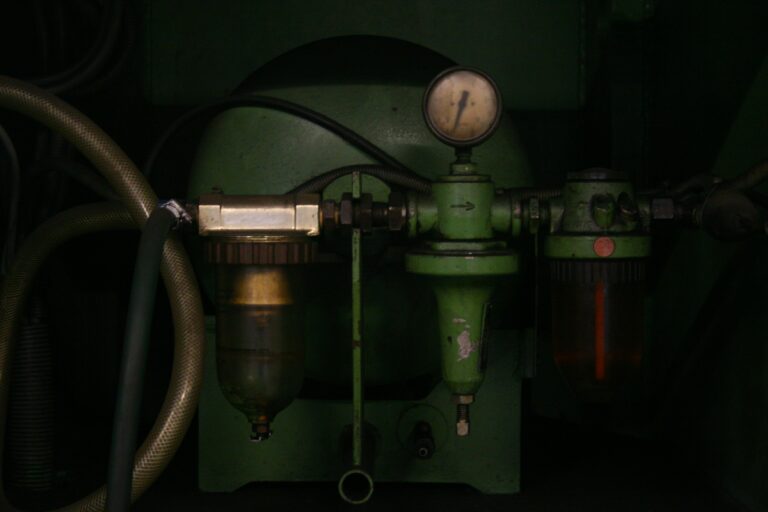
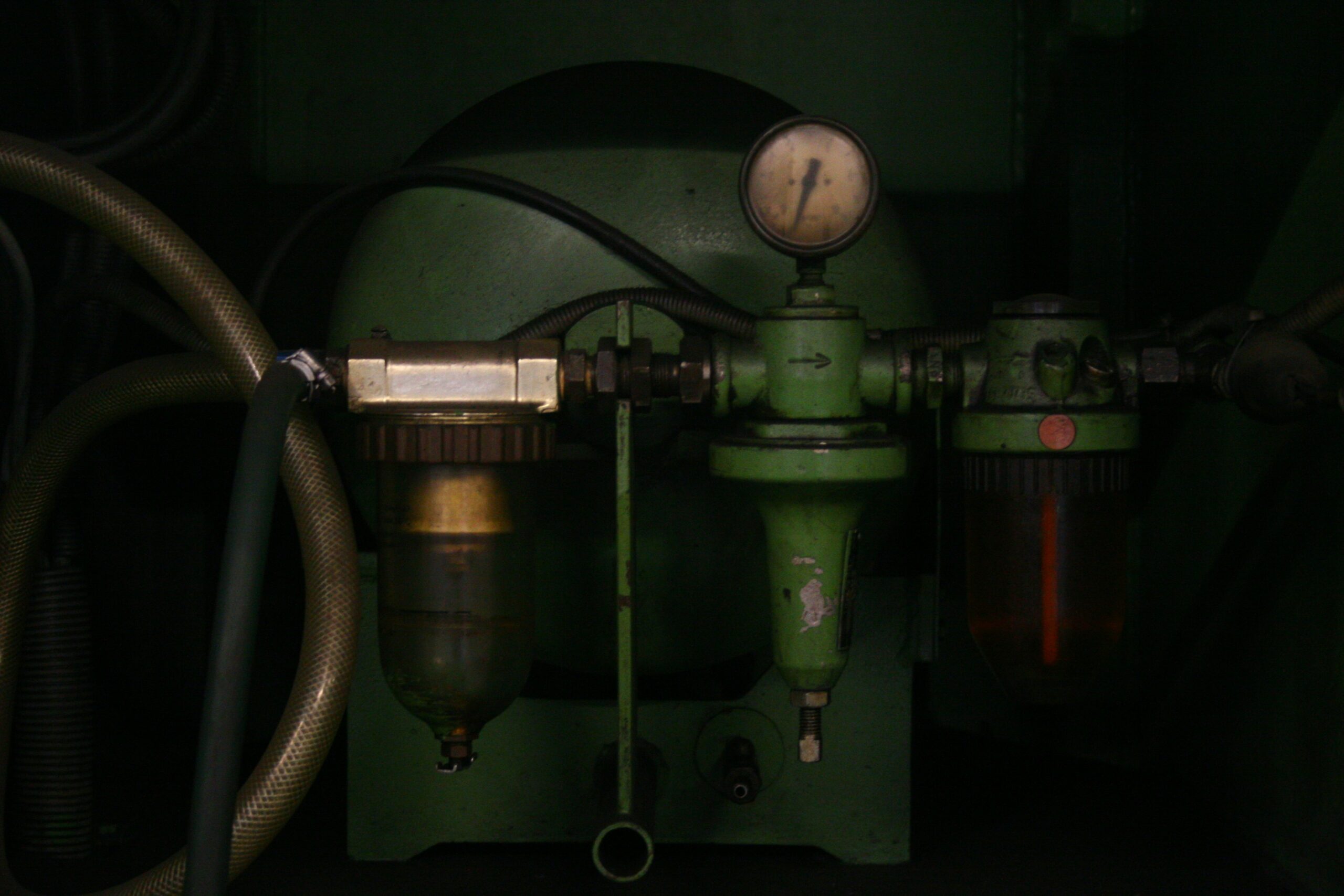
Locate the boiler’s pressure gauge, usually found on the front panel. Ideal pressure readings are typically between 1 and 1.5 bar.
Step 2: Bleed the Radiators
Use a radiator key to release trapped air from each radiator. Place a cloth and bucket beneath the valve to catch any water.
Step 3: Refill the System
If the pressure is too low, use the boiler’s filling loop to add water. Open the valve slowly and watch the pressure gauge until it reaches the recommended level.
Step 4: Inspect for Leaks
Check around the boiler and radiators for any signs of water leaks. Tighten fittings with an adjustable wrench if necessary.
Step 5: Test the Pressure Relief Valve
Ensure the pressure relief valve is functioning correctly by gently lifting it to release any excess pressure.
Common Mistakes to Avoid
- Overfilling the system, which can increase pressure beyond safe limits.
- Ignoring small leaks, which could lead to significant pressure loss over time.
- Forgetting to close the radiator valves properly after bleeding.
Troubleshooting Tips
Pressure drops quickly after refilling
Check for hidden leaks within the system or faulty expansion vessels.
Boiler pressure remains high
Ensure the filling loop is closed and inspect the pressure relief valve for faults.
Frequently Asked Questions
What should my boiler pressure be when the system is cold?
The pressure should typically be between 1 and 1.5 bar when the system is cold.
Why does my boiler pressure keep rising?
This could be due to a faulty pressure relief valve or an overfilled system.
How often should I check my boiler pressure?
It’s advisable to check your boiler pressure monthly to ensure it stays within the recommended range.
What happens if boiler pressure is too low?
Low pressure can cause your heating system to be inefficient and may prevent it from working altogether.
Can I adjust boiler pressure myself?
Yes, you can adjust it using the filling loop, but always follow the manufacturer’s instructions.
When to Call a Professional
- If you cannot identify the cause of pressure fluctuations or if pressure issues persist despite troubleshooting, consult a professional.
- For any repairs involving the boiler’s internal components, professional expertise is recommended to ensure safety and compliance with regulations.
Final Thoughts
Maintaining the correct boiler pressure is crucial for efficient heating and system longevity. Regular checks and prompt attention to any anomalies can prevent larger issues.
If you’re ever in doubt, don’t hesitate to contact a professional to protect your investment and ensure your home stays warm and safe.
This section may contain affiliate links. We may earn a commission at no extra cost to you.
Tools & Materials
These basic items will help you check, bleed and tidy up while troubleshooting boiler pressure issues.
- Radiator bleed key – essential for releasing trapped air from radiators, which can affect system pressure.
- 200mm adjustable spanner – useful for gently tightening accessible radiator tails or valve fittings when checking for small leaks.
- Small plastic bucket – catches water when bleeding radiators or releasing a little pressure safely.
- Microfibre cloths – handy for wiping drips and spotting fresh moisture around the boiler, valves and pipe joints.
- LED inspection torch – helps you inspect darker corners around the boiler and radiators for hidden leaks.